
In this issue of Delicious Brain Bytes, we look ahead to the era of the “Intelligent Web” with the opening of DE{CODE} 2026 registration, examine the technical hurdles pushing WordPress 7.0 back to a beta state, dive into the “Veils of Fate” RPG built with the Interactivity API, discuss the seismic shift in block themes with Brian Gardner, and much more!
DE{CODE} 2026 Registration is Open
WP Engine has officially opened registration for DE{CODE} 2026, its seventh annual virtual developer conference. Scheduled for May 6, 2026, this year’s theme explores the “Intelligent Web,” a new digital era where websites must serve both human audiences and the AI agents acting on their behalf. Across specialized Developer, Agency, and Marketer tracks, sessions will dive into how to create machine-readable content with ACF, master Generative Engine Optimization (GEO) to close AI citation gaps, and navigate the rise of “Zero-Click Commerce”.
This free virtual conference will be held live on May 6, with on-demand viewing available beginning May 7. You can register for free today and begin mapping out your sessions via the official North American or EMEA agendas.
WordPress 7.0 Finalizes May 20 Launch Following Reset
WordPress 7.0 has a new finish line of May 20, 2026. Following the unprecedented decision to return to a beta state to rebuild the Real-Time Collaboration database layer, the release squad has published an updated schedule to navigate the final stretch. To avoid breaking version-compare logic, the next pre-releases will retain the “Release Candidate” label but function as developmental resets: May 8’s RC3 will be treated as a new Beta 1, and May 14’s RC4 will act as a new RC1.
This version also brings a significant update to the roster of design tools per block, providing a cumulative lookup table of design supports added over the last ten WordPress releases. This updated guide tracks specific block features including Typography, Color, Layout, Shadow, and Background Image support, making it easier for developers to identify which core blocks now utilize these standardized tools. The 7.0 roster also highlights several new core blocks, including Math, Breadcrumbs, Icon, and Accordions, while the Verse block has been officially renamed to Poetry. Additionally, the method for handling Pattern Overrides has shifted from a hardcoded set of blocks to a dynamic, opt-in system that is now extended to custom blocks via the block bindings filter.
WordPress as Game Engine: “Veils of Fate” and the Interactivity API
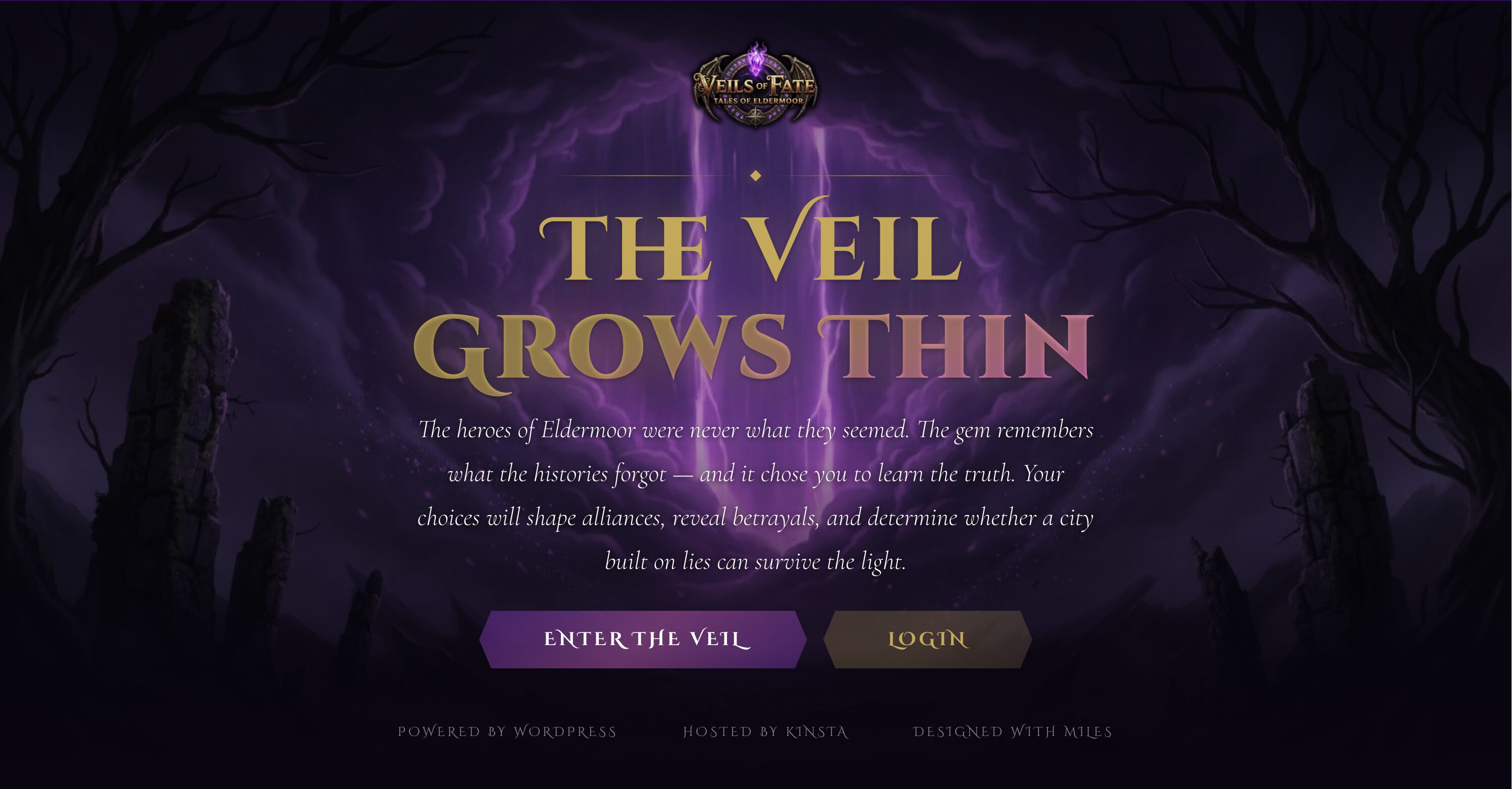
Troy Chaplin has transformed a childhood obsession with “Choose Your Own Adventure” books into a sprawling digital RPG built entirely on WordPress. Known as Veils of Fate, the game features a branching narrative with over 100 scenes where player choices determine the direction of the story.
To create the fluid, app-like feel required for modern gaming, Troy utilized the Interactivity API to handle scene transitions without full page reloads. To manage the immense volume of data, Chaplin developed a custom CLI command to automate the import of scenes and quest metadata.
You can watch the full technical breakdown on Talk Devy to Me or begin your own journey at Veils of Fate.
Call for Speakers: WordPress Accessibility Day 2026
WordPress Accessibility Day is returning for its 2026 global event, and the call for speakers is officially open. Scheduled for October 7–8, this free 24-hour virtual conference is seeking focused, specific presentations that explore the intersection of WordPress and inclusivity. Topics can range from first-hand perspectives on navigating the tech industry with a disability to technical deep-dives into React accessibility or the ethical implications of AI tools.
Following last year’s success, the event will utilize a pre-recorded format where speakers provide their 35–40 minute presentations in advance, followed by a live, real-time Q&A session with attendees. To support the community’s contributors, each accepted session will be awarded a $300 honorarium. If you have knowledge to share, be sure to submit your proposal before the June 9 deadline. Please note that to ensure authentic human expertise, the organizers will not accept any applications identified as AI-generated.
Brian Gardner Bets Big on Block Themes
In a recent episode of the WP Builds podcast, host Nathan Wrigley sat down with Brian Gardner, WP Engine’s Head of Community to discuss why he is “betting big” on the current seismic shift in WordPress theming. Gardner, a pillar of the community since 2006 and the co-developer of the Genesis framework, provides a unique perspective on how the platform has evolved from structured frameworks to the modern era of block-based design. A particularly forward-looking segment of the interview delves into the impact of AI on web design. For a deep dive into the business of modern theming, the role of flexible patterns versus traditional themes, and where the industry is headed in 2026, listen to the full interview on WP Builds.
Microsoft’s Copilot Problem: 81 Flavors and Counting
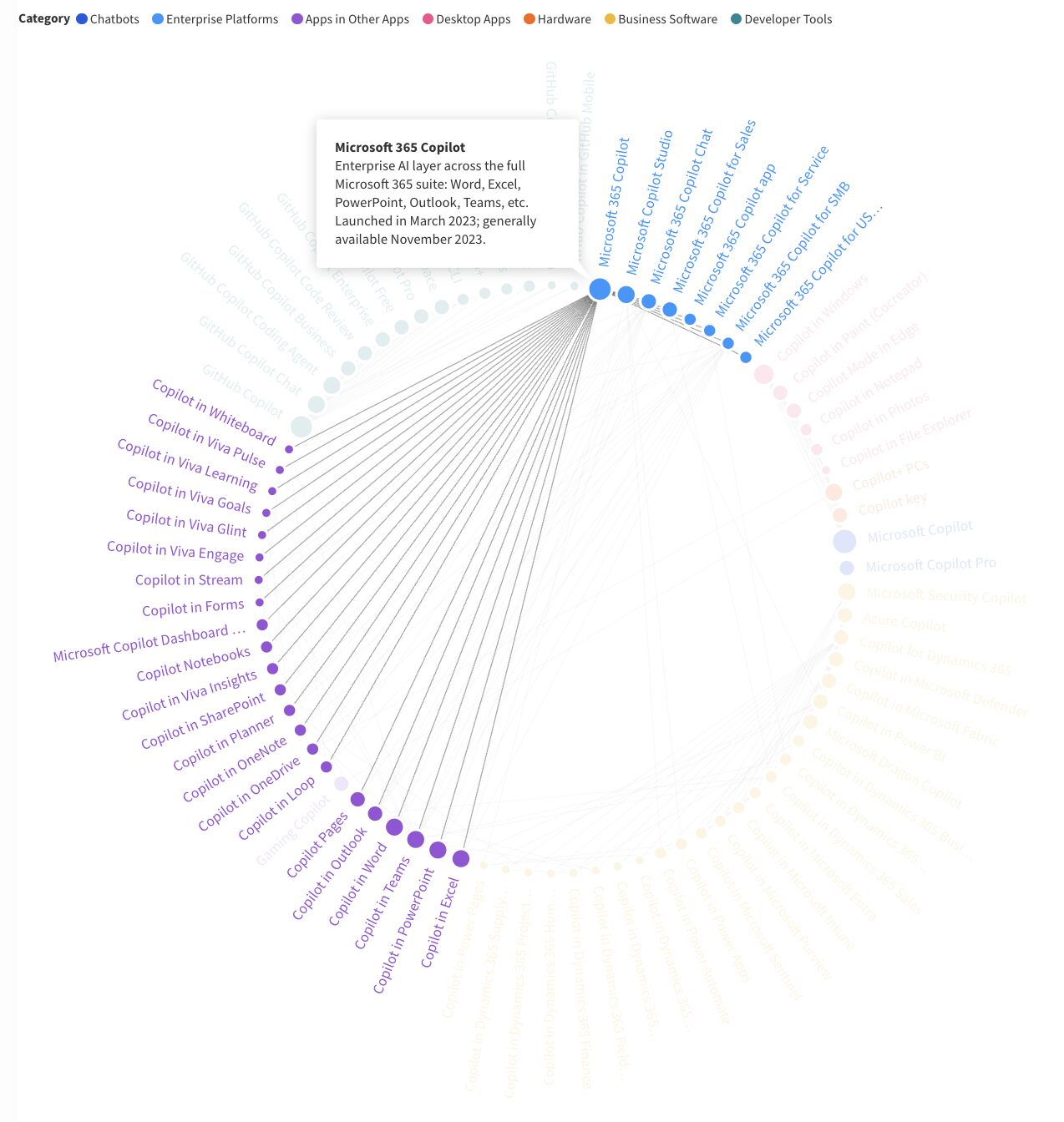
Don’t feel too bad if you’ve struggled to explain exactly what “Microsoft Copilot” is. Apparently even Microsoft isn’t entirely sure. According to a mapping project by Tey Bannerman, the tech giant now has at least 81 distinct products sharing the “Copilot” name. What started as an AI assistant has mutated into a confusing ecosystem of apps, platforms, an entire category of laptops, a dedicated keyboard key, and even something called “Microsoft Dragon Copilot”. Bannerman, who had to piece the list together from fragmented marketing materials because no official master list exists, created an interactive visualization to help users find a pattern in the branding chaos. Spoilers: he couldn’t find one either.
Using MCP Servers in Concert: Smart Search AI, WordPress, and Cloudinary Integration
When building AI applications, you often face a fragmented data problem. Images live in Cloudinary, blog posts exist in WordPress, and each system has its own search. Users can’t ask “show me travel content” and get both images and posts—they have to search each system separately. This creates a poor experience and limits the possibilities of what can be built.
The Smart Search AI MCP solves this by acting as a single search layer across all of your content. It indexes data from multiple sources, including Cloudinary assets, WordPress posts, and anything else you manage. This ensures natural language queries return results no matter where the content lives. Instead of building separate search interfaces for each service, you build one chatbot that understands everything.
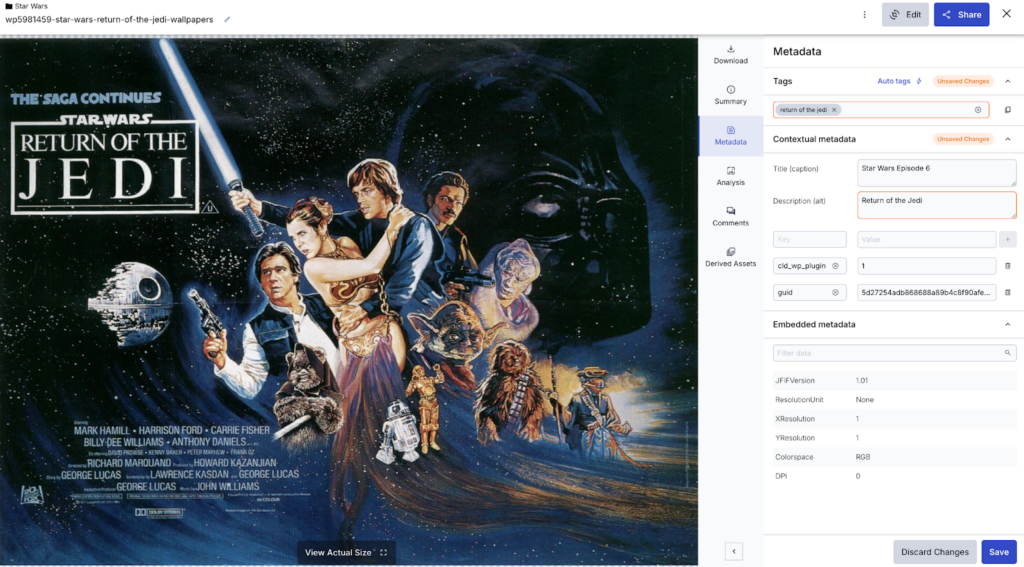
In this guide, Fran Agulto extends his previous Smart Search AI MCP tutorial, showing us how to orchestrate three MCP servers, Smart Search AI, WordPress, and Cloudinary, so that natural language prompts can discover content, create posts with images, and automatically index everything for future searches.
The Developer’s Guide to wp_usermeta: Scaling Membership Sites
In the lifecycle of a membership site, there is a predictable point where the “My Account” page begins to lag and administrative user searches start to time out. Developers can spend hours optimizing wp_postmeta or the wp_posts table, but it’s the wp_usermeta table that is frequently the culprit behind these performance regressions.
As a site scales into tens of thousands of members, the architectural limitations of the WordPress user metadata system become apparent. Understanding how this table handles data and how it fails is critical for building a scalable membership platform.
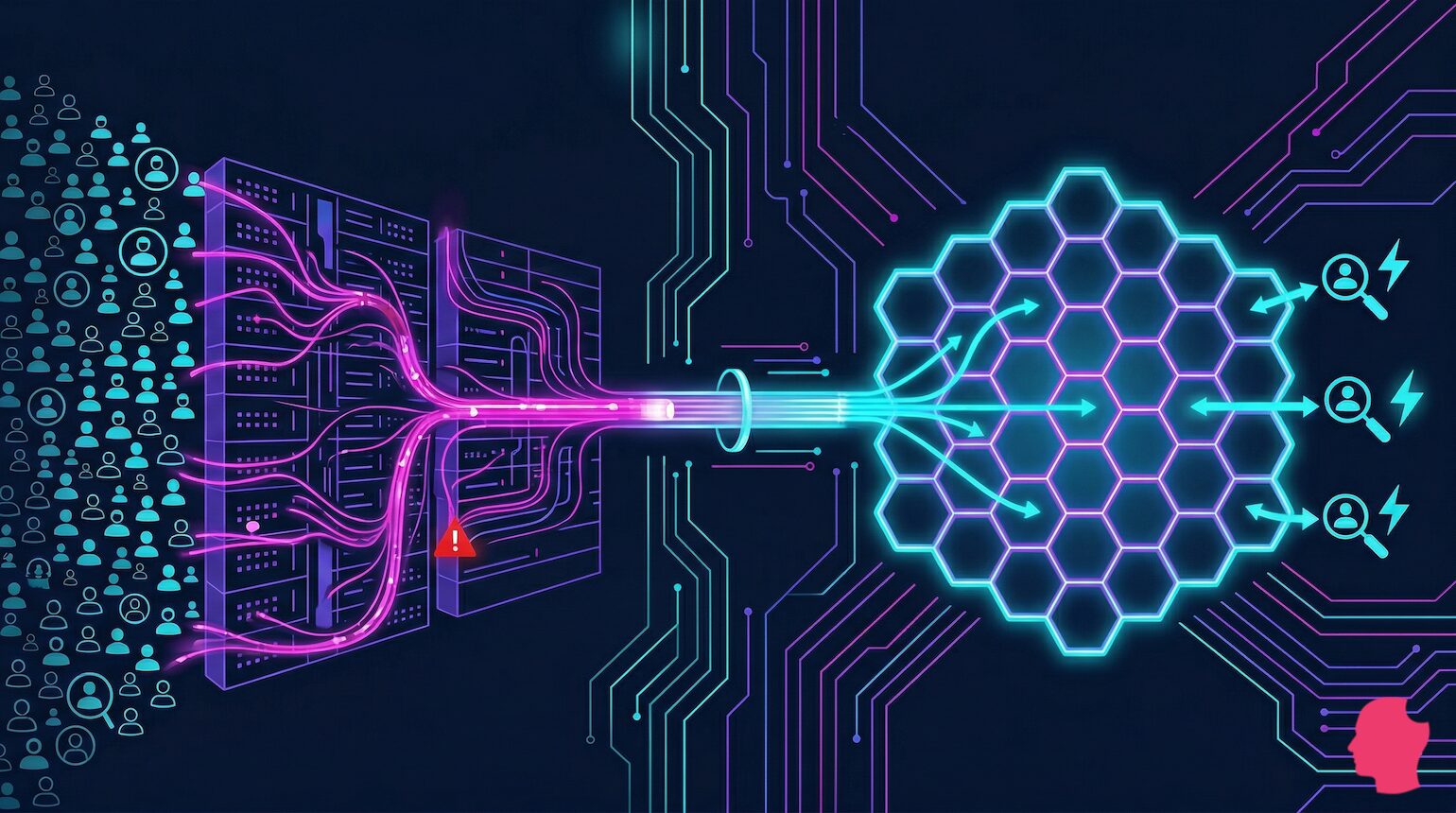
In this article, we explore the architectural limitations of the wp_usermeta table, analyze the “array trap” of storing serialized data that forces expensive full table scans and discuss slow query patterns caused by unindexed meta values. Finally, we outline essential scaling strategies, including the use of individual meta keys, offloading database lookups through persistent object caching, and the implementation of custom SQL tables to ensure site stability as communities grow toward 100,000 members and beyond.
What’s the most interesting news you’ve come across recently? Pop by Twitter and let us know.